2026-09-10
Philippines Powers Up with MTerra Solar: A Global Solar and Battery Storage Giant
23 Feb 2026 Author: Astute Analytica
Laos is making a significant move to bolster its position as a renewable energy hub in Southeast Asia. The country’s state electricity company recently signed an agreement with a South Korean private firm to develop a 100-megawatt (MW) solar power project in the northern province of Oudomxay, specifically near the Namhin Reservoir in the Xay district. This initiative is a critical part of Laos’s broader strategy to diversify its energy sources and enhance its reputation as the “Battery of Southeast Asia,” a title reflecting its ambition to be a key supplier of clean energy in the region.
Project Details and Expected Impact
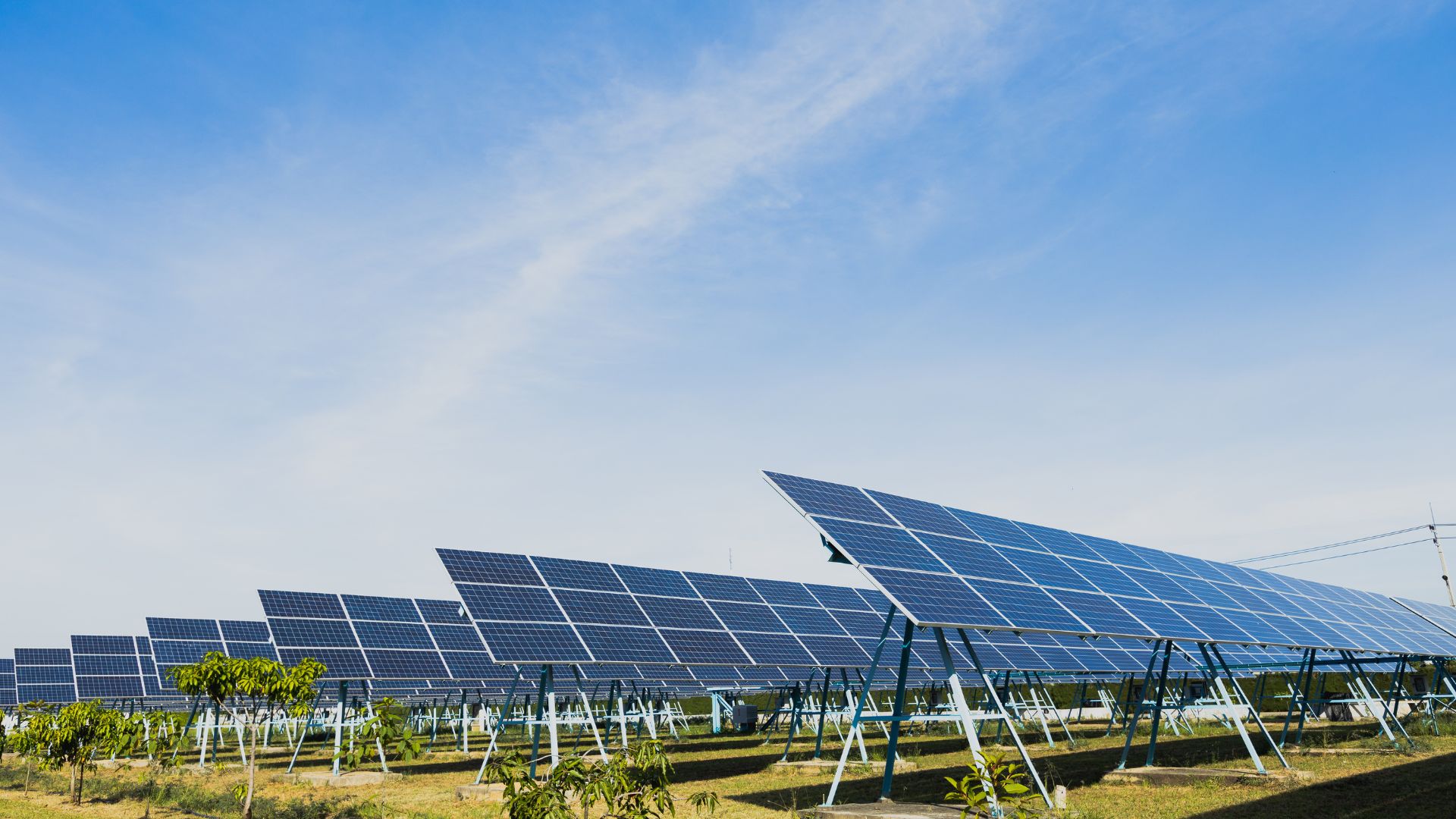
Currently in the feasibility study phase, the Oudomxay solar project is slated to begin construction in 2027. Once operational, the solar power plant will generate approximately 160 gigawatt-hours of electricity annually. This output is sufficient to supply power to about 100,000 homes, underscoring the scale and significance of the project. Spanning roughly 150 hectares, the facility will rank among the largest solar developments in Southeast Asia, marking a substantial investment in renewable infrastructure for Laos.
Regional Energy Export Ambitions
A major goal of the project is to boost Laos’s energy exports, with a large portion of the electricity generated intended for export to neighboring Vietnam. By supplying clean, renewable energy to its neighbors, Laos aims to generate valuable revenue streams while supporting the region’s collective renewable energy targets. This strategy not only leverages Laos’s abundant natural resources but also strengthens cross-border energy trade within the Association of Southeast Asian Nations (ASEAN), fostering greater regional energy cooperation.
Enhancing Domestic Energy Stability
Beyond its export ambitions, the solar project is expected to play a vital role in stabilizing Laos’s domestic power supply. Historically, Laos has relied heavily on hydropower, which is vulnerable to seasonal fluctuations in water availability that can disrupt electricity generation. Integrating solar energy into the national grid will help smooth out these seasonal variations, particularly during the dry season, reducing the need for costly electricity imports and helping to stabilize energy prices for local consumers. This diversification enhances the resilience and reliability of Laos’s overall energy system.
Building on Previous Renewable Energy Successes
This new solar initiative builds upon Laos’s recent achievements in renewable energy development. The country recently commissioned a 1,000 MW solar plant that exports electricity to China, demonstrating its expanding renewable capacity and export capabilities. Laos has also invested in critical infrastructure to facilitate cross-border energy trade, such as the 500 kV transmission line connecting Laos and China. The agreement with the South Korean company for the Oudomxay project adds momentum to these efforts, highlighting Laos’s growing leadership role in the regional transition toward sustainable energy.
Balancing Domestic Needs and Regional Ambitions
Through projects like the Oudomxay solar plant, Laos is demonstrating its ability to balance domestic energy security with its ambitions as a regional energy supplier. By investing in large-scale solar power and forging international partnerships, the country is positioning itself to secure a sustainable energy future while contributing meaningfully to Southeast Asia’s clean energy goals. This solar project marks an important milestone in Laos’s journey to becoming a key player in the renewable energy landscape of Southeast Asia.
Latest News
2026-09-09
2026-09-09
2026-08-27