2026-09-10
The Great Indian Kitchen Revolution: Why Demand for Induction Cooktops is Exploding in 2026
26 Mar 2026 Author: Astute Analytica
The Indian kitchen is undergoing a quiet but powerful transformation. Across metropolitan high-rises and Tier-2 city homes, the traditional blue flame of the LPG gas stove is rapidly being replaced by the sleek, digital glow of the induction cooktop.
Driven by a combination of geopolitical shifts, fluctuating fossil fuel prices, and a massive improvement in India’s electrical infrastructure, the demand for induction cooktops has recently reached historic, unprecedented highs. What was once considered a mere "kitchen backup" or a premium upgrade has officially become a household necessity.
The LPG Refilling Nightmare: Why Households Are Abandoning Gas
To understand the induction boom, one must look at the current state of LPG refilling in India. Over the past few months, the ongoing Iran-West Asia conflict and disruptions in the Strait of Hormuz have sent shockwaves through global energy markets. Because India imports roughly 60% of its LPG demand, these global shipping delays have severely impacted local distribution.
For the average Indian consumer, the refilling conditions have become increasingly hostile:
- Steep Price Hikes: In March 2026 alone, domestic 14.2 kg LPG cylinder prices were hiked by ₹60, pushing the cost to ₹913 in Delhi and ₹912.50 in Mumbai. Commercial cylinders saw an even sharper spike of ₹115.
- Panic Booking and Delays: Despite government assurances that refill booking timelines (25 days for urban areas, 45 days for rural) remain unchanged, widespread panic booking has strained local distributors, leading to prolonged delivery wait times.
- Rampant Black Marketing: The localized shortages have triggered a massive surge in illegal LPG hoarding and refilling. Recent police raids in Delhi and Ahilyanagar resulted in the seizure of hundreds of cylinders, uncovering rackets where desperate consumers and hoteliers were being charged upwards of ₹3,000 for a single cylinder.
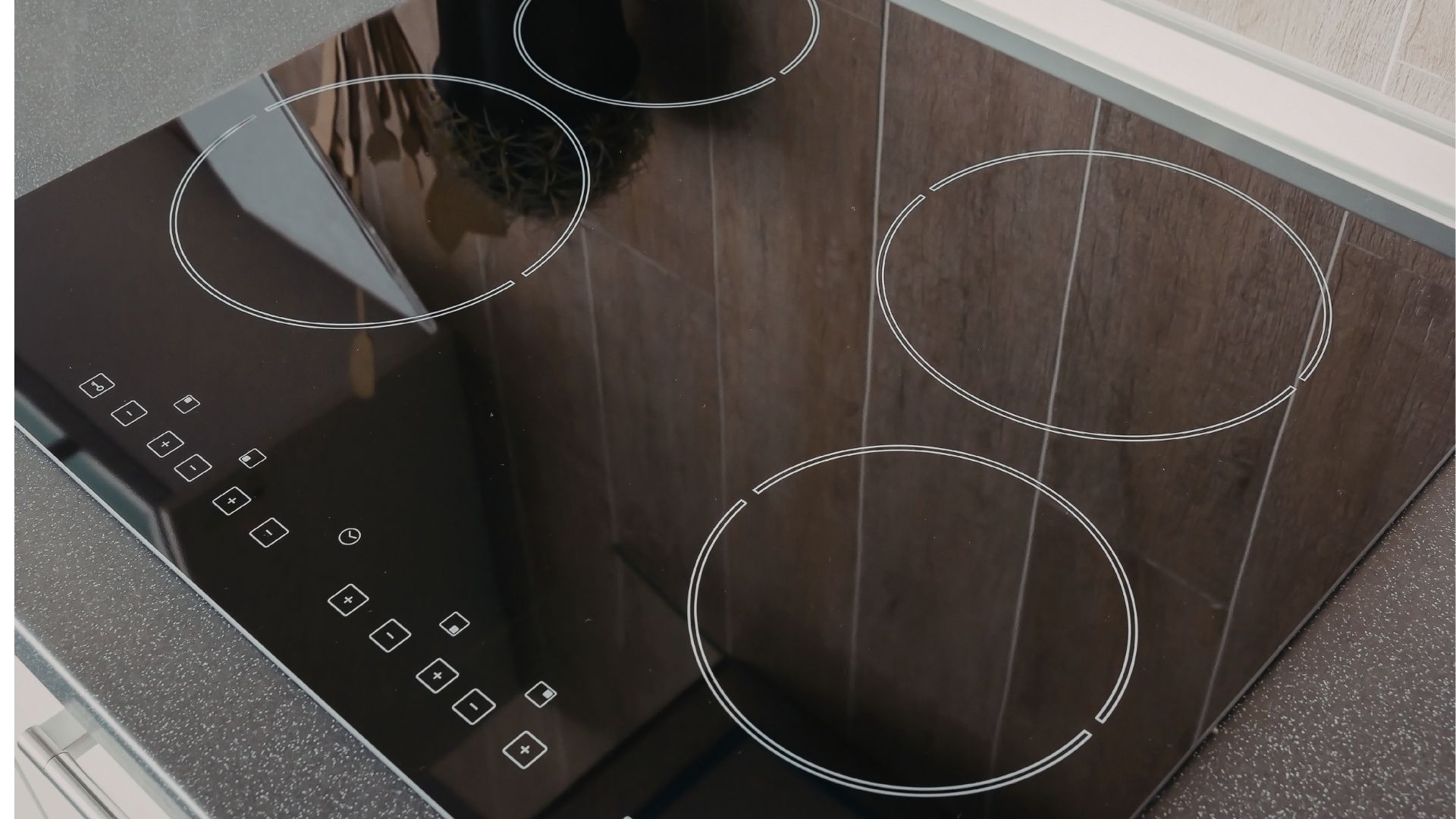
Faced with inflated prices, long waiting periods, and the anxiety of a mid-cooking gas run-out, millions of Indians are actively permanently switching their primary cooking methods.
By The Numbers: An Unprecedented Surge
The statistics surrounding the induction cooktop market in early 2026 are nothing short of staggering:
Astronomical Daily Sales: According to the Central Radio and Electronic Merchant Association in Delhi NCR, wholesale demand has skyrocketed from a steady 1,000–2,000 units a month to a jaw-dropping 1 to 2 lakh units a day.
E-commerce Boom:Online retail giants have reported historic traffic. Flipkart noted that induction sales tripled in a matter of days in March 2026, while Amazon India reported a phenomenal 20-fold surge in demand within a 24-hour window.
Market Valuation: The overall India Induction Cooktop Market, valued at USD 763 million in 2025, is actively projected to hit USD 842 million by the end of 2026, growing at a robust CAGR of over 10.35%.
The Power Push: A major enabler of this trend is India's strengthening power grid. With national power shortages dropping to a mere 0.1% and over 2.8 crore households newly connected to uninterrupted electricity, e-cooking is now a viable reality for the masses.
What is Driving the Boom?
While recent global supply chain disruptions and West Asian geopolitical conflicts have caused localized panic regarding commercial LPG supplies like propane—acting as a major catalyst for the recent mega-spike—the shift is backed by solid, long-term fundamentals.
Induction cooktops operate at an impressive 85–90% thermal efficiency, meaning they cook food significantly faster and waste less energy compared to traditional gas stoves. Furthermore, modern models come equipped with smart-home compatibility, preset Indian menus (like roti and dosa modes), and advanced voltage fluctuation protection, making them tailor-made for the Indian consumer.
Real Voices from the Ground
As per Astute Analytica’s research, the numbers tell one side of the story, but the real impact is felt by consumers and retailers on the ground.
The Retailer's Perspective:
"Previously, we would sell maybe 5 to 7 gas stoves a day and just 2 or 3 induction cooktops in an entire week," notes Rajesh Satra, an appliance store owner in Mumbai’s bustling Kalbadevi market. "In the last few weeks, the paradigm has completely flipped. We are selling over dozens of induction units daily. Customers are asking for freestanding, portable models, and brands are struggling to restock fast enough. It’s no longer just bachelor pads buying them; large joint families are making the switch."
The Consumer's Perspective:
Anjali Verma, a 34-year-old IT professional and mother of two in Noida, recently transitioned to a fully electric kitchen. "With the constant uncertainty around LPG cylinder deliveries and the rising costs, I finally bought a premium dual-burner induction cooktop," she shares. "It has completely changed how I cook. It’s so much safer around my kids—no open flames—and the temperature control is incredibly precise. Plus, with the new solar rooftop panels we installed, our cooking is practically free now. I’m never going back to gas."
Top 5 Companies to Enjoy the Strong Growth Momentum As Demand for Induction Cooktop Boom in India
The 2026 LPG crisis has ignited an unprecedented induction cooktop boom in India. As households abandon gas, these top five players are poised to reap massive financial gains:
- TTK Prestige: The undisputed heavyweight. Synonymous with Indian cooking, Prestige captures middle-class trust. Amid recent LPG shortages, their stock surged nearly 15% as families panic-bought premium, energy-efficient models.
- Stove Kraft (Pigeon): The aggressive "value-for-money" volume leader. Perfect for first-time buyers transitioning from gas, Pigeon dominates e-commerce. They reported a phenomenal four-fold jump in online sales during the peak March crisis.
- Butterfly Gandhimathi: The King of the South. Geography is key—South India currently holds a massive 39% market share in induction cooking due to better historical grid infrastructure. Butterfly’s regional legacy dominance guarantees outsized profits.
- Philips India: The tech-forward pioneer. Capturing the urban millennial market, Philips dominates the premium segment. Their sleek, smart-touch models are the absolute go-to for high-rise renters and modular kitchens seeking top-tier safety.
- Bajaj Electricals: The Tier-2 and Tier-3 penetrator. With rural India now boasting 98% grid connectivity, Bajaj’s incredibly deep distribution network is capitalizing on the heartland. Their robust, voltage-fluctuation-resistant models are perfect for semi-urban households.
While Prestige and Philips are capturing the urban upgrades, mass-market leaders like Stove Kraft, Butterfly, and Bajaj are driving unprecedented volume, turning a geopolitical energy crisis into a historic balance-sheet boom.
A Greener, Smarter Future
Industry analysts at Astute Analytica point out that freestanding, portable cooktops currently dominate 90% of the market share in India, heavily favored by nuclear families, renters, and young professionals. As the nation moves toward sustainable energy goals and embraces a digital-first lifestyle, the "e-cooking" revolution is poised to cut down India’s carbon footprint drastically.
With domestic manufacturers heavily ramping up production lines to meet the exploding demand, one thing is certain: the induction cooktop is no longer the kitchen appliance of the future—it is the undisputed champion of the present.
Latest News
2026-09-09
2026-09-09
2026-08-27