2026-09-10
MSN Labs Revolutionizes Weight Management with Launch of Semaglutide Generic at Just ₹3,990 in India
16 Apr 2026 Author: Astute Analytica
In a move set to reshape diabetes and weight management treatment in India, Hyderabad-based MSN Laboratories has launched Semabest, its generic version of blockbuster drug semaglutide, starting at an accessible ₹3,990. This pre-filled pen innovation promises to slash costs by nearly 50% compared to branded originals like Ozempic, making life-changing therapy reachable for millions amid India's escalating diabetes crisis.
As per Astute Analytica, prescription weight loss medications market size was valued at USD 12.25 billion in 2025 and is projected to hit the market valuation of USD 40.13 billion by 2035 at a CAGR of 12.60% during the forecast period 2026–2035.
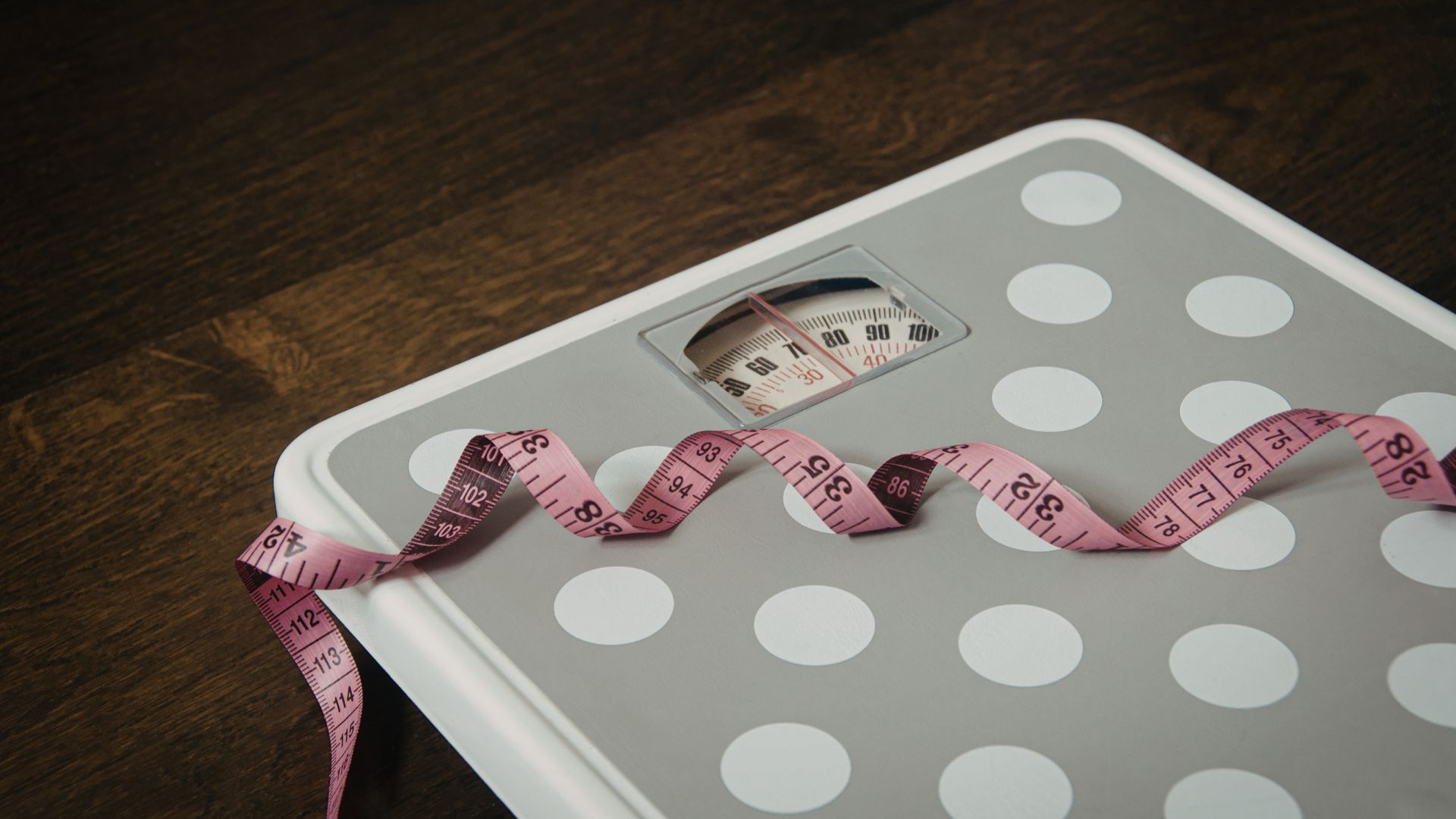
Game-Changer for Patients
Semabest arrives as the latest entrant in a post-patent frenzy, following semaglutide's exclusivity expiry in March 2026. Available in 2mg, 4mg, and 8mg strengths, the pens are priced at ₹3,990, ₹4,490, and ₹5,490 respectively, offering weekly subcutaneous dosing for type-2 diabetes control and chronic weight management.
Dr. Kamini Desai, Head of Medical Affairs at MSN, emphasized its bioequivalence to the innovator drug, ensuring comparable efficacy in glycemic control and weight loss parameters.
This pricing undercuts Novo Nordisk's offerings, which hover around ₹8,800–₹10,850 monthly, while rival generics from Natco (₹1,290 vials) and Sun Pharma (₹900–₹2,000 weekly) have already flooded shelves. MSN's pen format prioritizes user convenience over cheaper vials, targeting urban professionals and clinics seeking reliable, hassle-free options.
India's Semaglutide Boom
The launch caps a whirlwind year since patent expiry on March 20, 2026, sparking over two dozen generics from giants like Dr. Reddy's (Obeda at ₹4,200), Zydus (Semaglyn), and Glenmark (GLIPIQ at ₹1,300–₹1,760). Analysts at Astute Analytica forecast that the India’s ₹1,400 crore weight-loss market doubling annually, fueled by 100 million diabetics and 136 million pre-diabetics nationwide.
Prices have plummeted 70–90%, with vials as low as ₹325 weekly, but pens command premiums for precision dosing. MSN joins this fray late but strategically, leveraging Central Drugs Standard Control Organisation approval to assure quality amid self-medication risks highlighted in media reports.
Broader Health Implications
Semaglutide, a GLP-1 agonist, mimics gut hormones to curb appetite, slow digestion, and boost insulin—delivering 15–20% body weight reduction in trials. In India, where obesity triples heart disease odds, this democratizes access beyond affluent pockets. Yet experts caution: Weak prescription enforcement and quality variances could spur misuse, echoing YouTube analyses of a "dangerous free-for-all."
Patient support programs from peers like Sun Pharma signal a holistic shift, but MSN's entry amplifies competition, potentially driving further cuts. With 50+ brands eyed, the sector eyes $1 billion growth by 2028.
Market and Competitive Edge
MSN, a formulations powerhouse exporting to 50 nations, eyes domestic dominance through Semabest's proven stability and affordability. Unlike vial pioneers like Natco's SEMANAT (₹1,290–₹1,750), its pens rival Alkem's Semasize (₹1,800 monthly) in ease. Torrent's Sembolic (₹3,999) and Eris' Sundae vials set benchmarks, but MSN's tiered pricing bridges budget and premium needs.
This intensifies pressure on Novo Nordisk, whose subscription tweaks abroad contrast India's generic onslaught. Investors note: Semaglutide's versatility—diabetes to obesity—positions India as a global generics hub.
Challenges and Future Outlook
Regulatory nods ensure bioequivalence, but counterfeit fears loom in a fragmented generic drug market. Physicians urge supervised use to avert side effects like nausea or pancreatitis. As April 2026 unfolds, Semabest could capture 10–15% share if supply chains hold.
For patients like Pune's Sahil Shaikh, a market analyst tracking pharma trends, this means empowered choices amid healthcare inflation. MSN's bold pricing not only challenges giants but reignites hope for equitable wellness.
Latest News
2026-09-09
2026-09-09
2026-08-27