2026-09-10
Nomura Real Estate and Clean Energy Connect Pioneer Corporate PPA Solar Project in Japan
27 Feb 2026 Author: Astute Analytica
Japan’s Nomura Real Estate and solar provider Clean Energy Connect have embarked on a pioneering renewable energy project that leverages corporate power purchase agreements (PPAs) to drive a significant shift in the country’s energy landscape. This collaboration reflects Japan’s broader transition toward privately contracted renewable power solutions, moving away gradually from government subsidy schemes that are evolving. By adopting a model that bypasses traditional feed-in tariff (FIT) subsidies, the project aims to secure a long-term renewable electricity supply through private contracts, signaling a new era for corporate-driven clean energy initiatives.
A Major Player in Japan’s Real Estate Sector Steps into Renewables
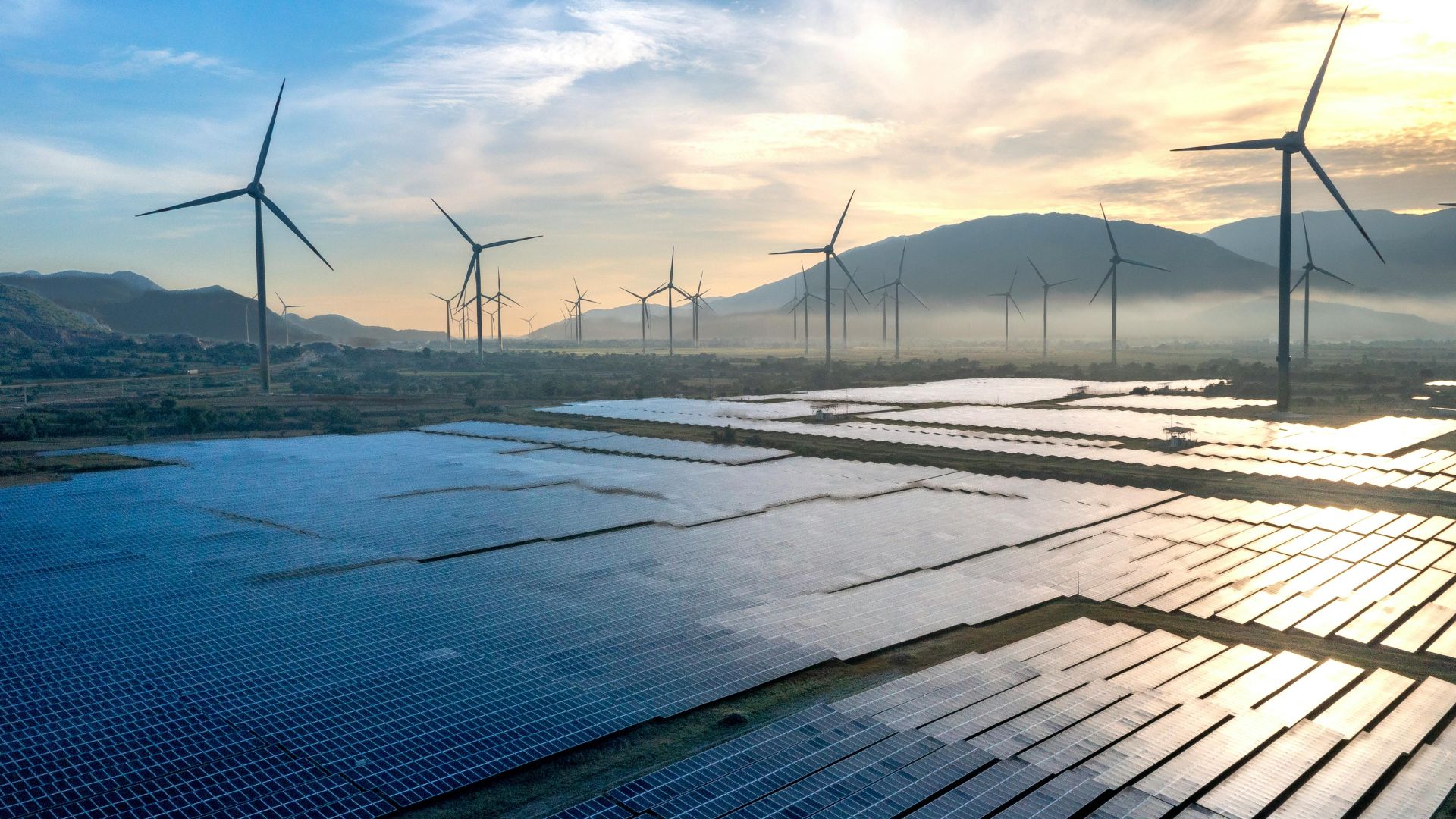
Nomura Real Estate stands as one of Japan’s largest listed property developers and is a key part of the Nomura Group financial conglomerate. Its extensive operations span housing, commercial real estate, urban redevelopment, and logistics infrastructure, placing it among the country’s largest real estate groups by asset scale and project pipeline. This strategic renewable power initiative will see Nomura Real Estate team up with Clean Energy Connect to develop and operate approximately 550 small-scale solar power plants distributed across Japan. The electricity generated, alongside environmental credits representing carbon reductions, will be sold exclusively to Nomura under long-term contracts, reinforcing the company’s commitment to sustainability.
Innovative Non-FIT Model for Stable Renewable Supply
The project employs a “non-FIT” approach, meaning the solar plants will operate without Japan’s government-set feed-in tariff subsidy system. Unlike traditional models where utilities purchase renewable electricity at fixed prices, this initiative enables direct electricity sales to Nomura through private corporate contracts. This strategy offers the company long-term price certainty and reduces dependence on public subsidies, aligning with modern market trends favoring corporate PPAs that emphasize stability and cost-effectiveness in renewable procurement.
Aligning with Ambitious Carbon Neutrality Targets
This joint venture forms a crucial part of Nomura’s comprehensive carbon neutrality strategy. The special-purpose vehicle created by the two companies will manage power generation and supply, while Nomura will utilize the renewable electricity to power its diverse property portfolio. The solar network is projected to generate around 52.5 million kilowatt-hours annually, which corresponds to roughly 40% of Nomura’s purchased electricity, known as Scope 2 emissions, for the financial year ending March 2025. This substantial renewable contribution supports the company’s goals to slash direct and electricity-related emissions (Scope 1 and 2) by 60%, as well as supply chain emissions (Scope 3) by 50% by fiscal 2030 compared to 2019 levels.
Roles and Local Resilience Features Enhance Project Impact
Clean Energy Connect, a specialist in developing solar projects and supplying renewable electricity through off-site corporate PPAs, will spearhead the development and operation of the solar plants. Meanwhile, Nomura will oversee electricity procurement and carbon accounting, ensuring the power generated is exclusively dedicated to its facilities. Notably, each solar site will also incorporate emergency power outlets to provide electricity access for nearby residents during disasters. This innovative feature combines distributed renewable generation with enhanced local resilience, offering community benefits beyond environmental impact.
Distributed Solar Network Boosts Energy Security
The roughly 550 solar plants will form a geographically dispersed network across Japan, reducing reliance on centralized power stations and enhancing supply stability in the face of disruptions. This decentralized model supports grid resilience and aligns with evolving energy strategies focused on balancing renewable integration with system reliability. Although the companies have not disclosed plans to resell power or expand the project in later phases, they are exploring possibilities to extend decarbonisation support to companies beyond the Nomura group in the future.
Growing Momentum of Corporate PPAs in Japan
This project exemplifies a rapidly growing trend in Japan where corporate PPAs are increasingly embraced by companies seeking stable renewable electricity supplies amid volatile fossil fuel prices and stringent decarbonisation targets. Since the first corporate PPA deals emerged in 2021, over 500 agreements have been publicly disclosed, representing more than 2.5 gigawatts of installed or planned renewable capacity. Market participants expect continued growth as Japan shifts away from feed-in tariff subsidies toward market-driven mechanisms, such as feed-in premium systems and private procurement, making corporate PPAs a cornerstone of renewable energy adoption.
Policy Evolution Supports Market-Driven Decarbonisation
Japan’s move toward corporate renewable procurement is part of a broader policy shift aimed at fostering market-driven decarbonisation. Under its Green Transformation (GX) framework, the government has introduced carbon pricing legislation and is refining renewable subsidy structures to encourage private investment. Reforms targeting long-term energy system stability, including power market and capacity mechanism adjustments, are expected to enhance the role of long-duration supply contracts like corporate PPAs. These contracts could serve as anchor revenue sources essential for financing renewable energy and energy storage projects.
Challenges and Opportunities in Japan’s Renewable Energy Future
Japan’s long-term energy strategy envisions renewables comprising approximately 36–38% of the electricity mix by 2030. However, this goal remains challenging due to grid constraints and project development delays, underscoring the urgency of scaling private-sector renewable procurement. The collaboration between Nomura Real Estate and Clean Energy Connect highlights how corporate initiatives leveraging PPAs can play a vital role in overcoming these hurdles, delivering stable renewable energy while advancing Japan’s decarbonisation ambitions and energy security objectives.
Latest News
2026-09-09
2026-09-09
2026-08-27